

The partial oxidation process for acetylene production from natural gas is one of the key technical routes in the natural gas chemical industry. In this process, acetylene is produced via the thermal cracking of methane. The reaction equation is as follows:
2CH4 → C2H2 + 3H2
During the reaction, large quantities of CO, CO2, H2, and H2O are generated together with acetylene. Trace by-products including diacetylene, ethynyl acetylene, other unsaturated hydrocarbons, and aromatic hydrocarbons are also formed. At high temperatures, acetylene further decomposes into carbon black and H2.
To reduce the formation of carbon black by-products, a large volume of cooling water is used in the industry to quench the cracked gas instantly and terminate the reaction. In this process, the by-produced carbon black is washed down, producing large quantities of low-concentration carbon black water with a carbon black content of 200 mg/m³ (Note: please verify this unit). Besides the quench water from the acetylene furnace, the washing water from scrubbers and flushing water from electrostatic precipitators also serve as sources of carbon black water.
Carbon black water from each process section is collected into the circulating cooling system to be cooled down, with the temperature dropping from 63 °C to approximately 35 °C. The cooled carbon black water is then recycled for reuse.
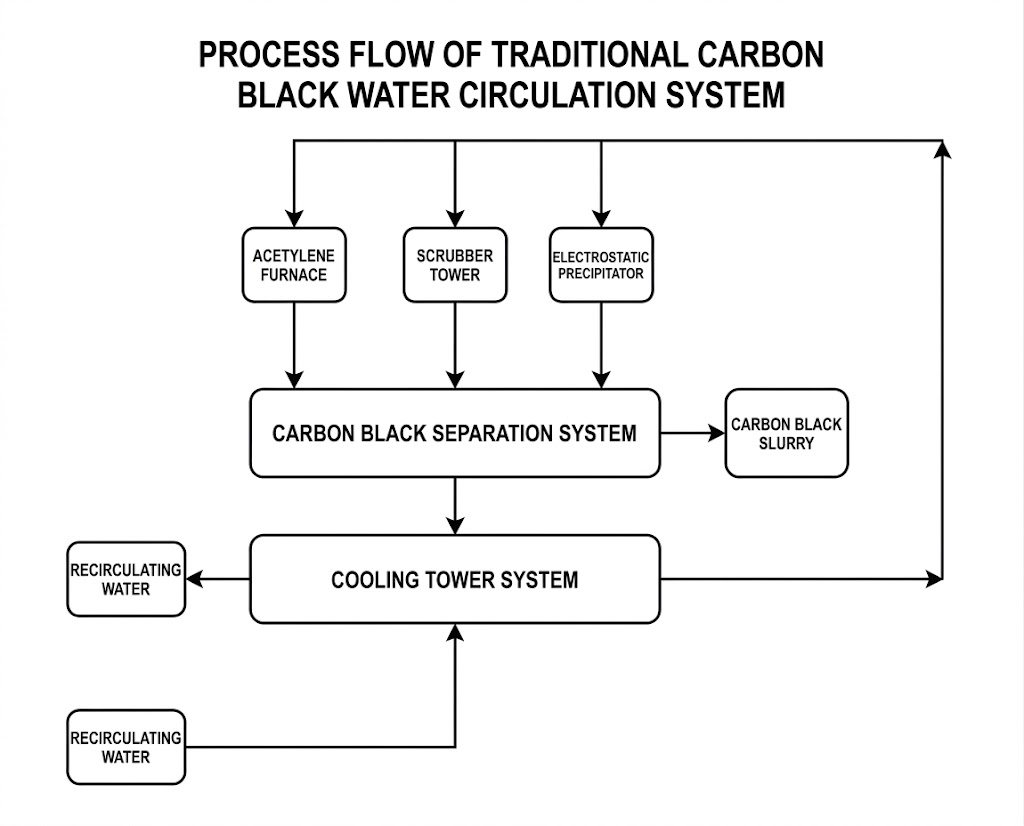
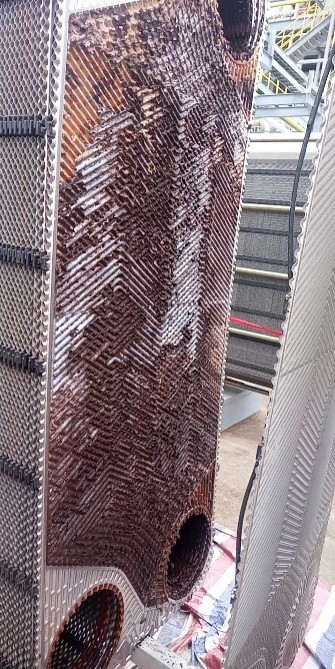
Organic polymers are continuously carried into the carbon black water, and only a minimal amount is removed through natural processes. During the cooling process, the low wall temperature causes some organic substances to adhere to the heat transfer surfaces. Combined with deposited carbon particles, this easily leads to the blockage of the heat exchanger flow channels.
The carbon black water cooling heat exchangers at the acetylene plant of a major chemical group in China originally adopted gasketted plate heat exchangers. Though easy to disassemble and clean after clogging, these units are fitted with herringbone corrugated plates that have abundant contact points and a channel gap below 8 mm. In actual operation, severe channel blockage occurred in roughly one week, necessitating disassembly for mechanical cleaning. Heat exchanger plates are generally thin sheets with a thickness of 0.5–0.7 mm. Repeated disassembly easily causes plate deformation and consequent external leakage, requiring the frequent replacement of plates. The use of gasketted plate heat exchangers resulted in high maintenance costs for the enterprise, creating an urgent need for a type of heat exchanger that resists clogging and features a long service life.
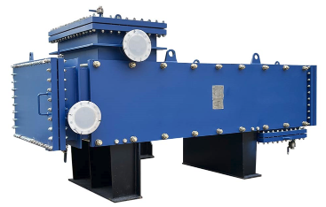
Shanghai Heat Transfer Equipment Co., Ltd. (SHPHE for short) recommended its self-developed wide-gap welded plate heat exchanger to the customer for this specific working condition, which boasts the following advantages:
- Easy Maintenance: Adopting an all-welded structure and removable square flanges at both ends, the unit enables easy mechanical cleaning of the flow channels. Since nozzles are installed on the side of the baffle boxes, pipelines do not need to be detached when opening the square flanges, allowing for simpler operation.
- Reduced Fouling: Spacer studs are sequentially spot-welded on the flat plates for pressure bearing, meaning the carbon black water flows through straight, smooth channels without spacer studs. This avoids medium adhesion on the wall and eliminates dead flow zones, greatly extending the cleaning cycle.
- Clog Resistance: The channel gap is set to 16 mm to resist clogging. In addition, the wide gap allows high-pressure water guns to thoroughly clean all areas inside the channels, saving time and manpower.
- Optimized Flow: The designed flow velocity exceeds 1.5 m/s. The flat plate channels deliver a low pressure drop. Flow resistance is converted into wall shear force, which inhibits fouling accumulation and prolongs equipment service life.
- Enhanced Durability: With a plate thickness of 2 mm, the plates can withstand frequent mechanical cleaning without suffering damage, effectively extending the service life of the equipment.
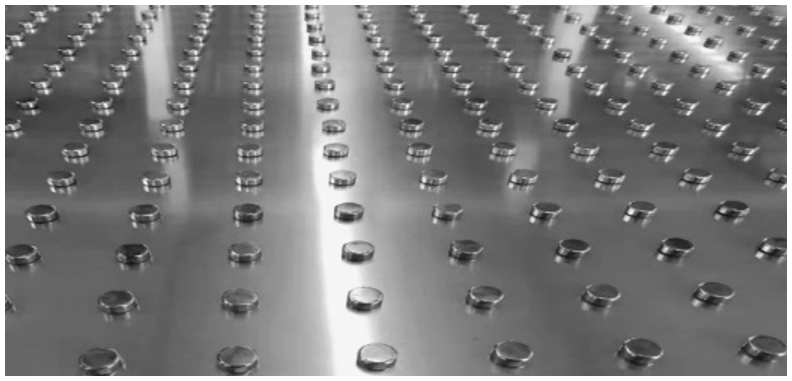
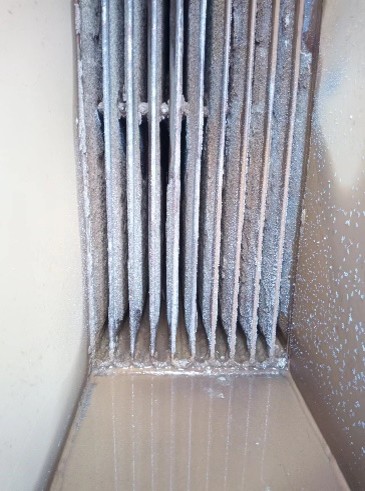
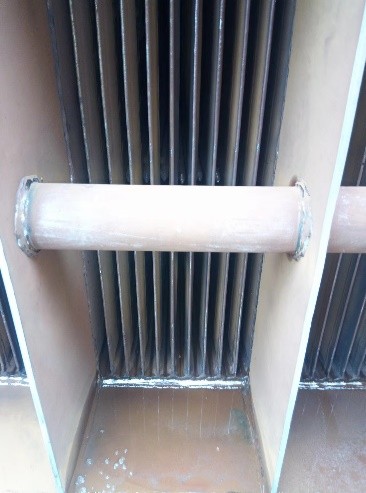
After replacing the carbon black water cooler with the wide-gap welded plate heat exchanger supplied by SHPHE, the customer achieved remarkable operating results. The interval between channel blockages was extended from one week to three months. Mechanical cleaning is highly convenient, and all flow channels can be thoroughly cleaned. This solution has greatly cut down the time and costs for cleaning and maintenance, delivering substantial economic benefits.
Post time: Jun-02-2026