

Introduction
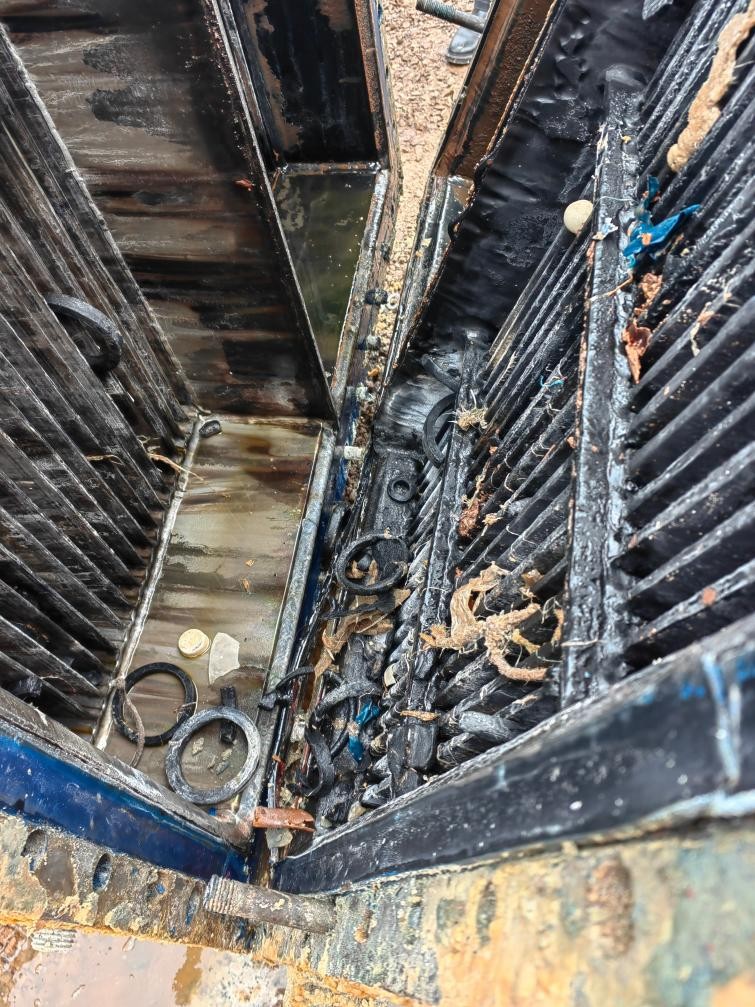
The stable operation of wide-gap plate heat exchangers in the alumina precipitation process heavily relies on fully functional upstream filters. Once a filter fails, debris such as scaling chunks and foreign objects will flow straight into the heat exchanger. This leads to flow channel blockages and plate abrasion, ultimately resulting in internal leakage. Highly alkaline slurry mixes into the circulating cooling water system, drastically cutting heat exchange efficiency while posing severe risks of circulating water contamination.
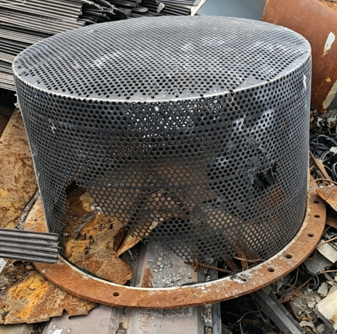
Root Causes of Filter Failure
Based on technical experience from Shanghai Heat Transfer Equipment Co.,Ltd.(SHPHE), filter malfunctions stem from two core categories of issues:
- Physical damage to filter screens or aging sealing components
- Improper process operation
- When the flow rate of seeded precipitation slurry deviates from design specifications, flow velocity drops, causing solid particles to settle inside the filter. This reduces the filter’s effective flow area and creates localized surges in flow speed. High-speed slurry carrying abrasive particles accelerates screen rupture.
- Oversized filter selection can also trigger a vicious cycle of particle deposition and screen damage under low flow velocity conditions.
Consequences
A single full overhaul of the heat exchanger — including production downtime losses and spare part replacement costs — can run into tens of thousands of US dollars. Worse still, the water treatment costs arising from alkaline contamination of the circulating water system are incalculable.
Standardized Operational Recommendations
- Implement a regular filter inspection routine
Conduct periodic checks on screen integrity, sealing performance, and inlet-outlet pressure differential; clean filters promptly. Evaluate the screen replacement cycle on a monthly basis. - Stabilize seeded precipitation slurry flow via circulating water system regulation
Maintain slurry flow velocity through filters within the designed operating range at all times, eliminating particle deposition and screen damage induced by significant flow fluctuations.
Conclusion
Precise control over upstream filtration and process flow rates represents the most effective solution to safeguard heat exchange equipment, cut operational and maintenance costs, and avoid water pollution risks.
Post time: Jul-22-2026